
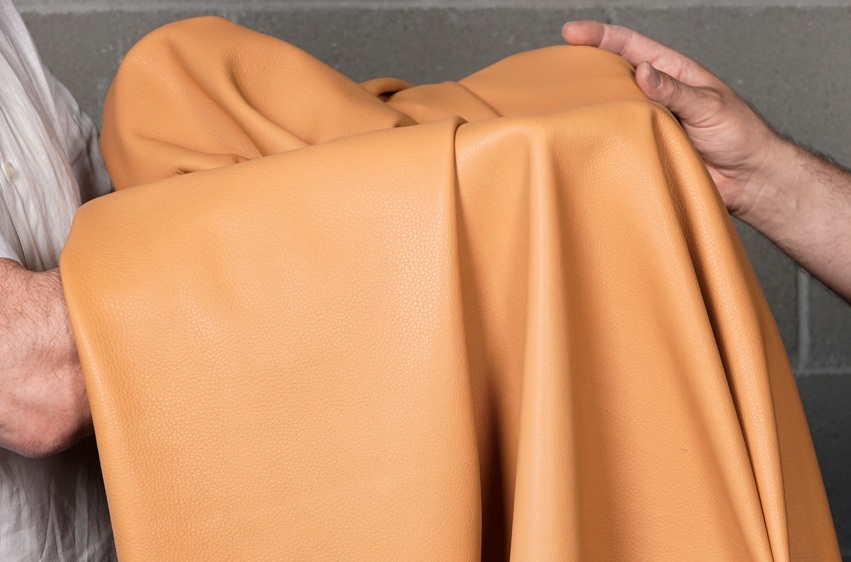
It’s a question that surprises people – can you be vegan and still support real leather? At first glance, it sounds contradictory. But if sustainability is truly the goal- if the heart of veganism is to reduce waste, honor life, and protect the planet – then the conversation deserves a deeper look. Here’s the truth: 𝗹𝗲𝗮𝘁𝗵𝗲𝗿 𝗶𝘀 𝗮 𝗯𝘆𝗽𝗿𝗼𝗱𝘂𝗰𝘁, 𝗻𝗼𝘁 𝘁𝗵𝗲 𝗰𝗮𝘂𝘀𝗲 𝗼𝗳 𝗹𝗶𝘃𝗲𝘀𝘁𝗼𝗰𝗸 𝗳𝗮𝗿𝗺𝗶𝗻𝗴. Hides come from animals already raised for food. If we don’t use them, they end up in landfills – wasting a natural material that could last decades, even generations, if responsibly tanned and cared for. So when you choose real leather, you’re not creating new demand for animal agriculture. You’re actually ensuring that nothing goes to waste – that the full life of the animal is respected through use, not disposal. That’s not cruelty. That’s 𝗰𝗶𝗿𝗰𝘂𝗹𝗮𝗿 𝘀𝘂𝘀𝘁𝗮𝗶𝗻𝗮𝗯𝗶𝗹𝗶𝘁𝘆 in its most natural form. By contrast, most “vegan leather” products are made from plastic – polyurethane (PU) or polyvinyl chloride (PVC). These materials come from fossil fuels, shed microplastics, and can’t biodegrade. They crack, peel, and end up as waste within a few years. That’s not compassion – that’s pollution wrapped in marketing.
Supporting real leather doesn’t mean you stop caring about animals. It means you start caring about the planet in a complete way – recognizing that sustainability isn’t about absolutes, it’s about balance. You can avoid eating meat and still believe in using what already exists, especially when that choice reduces waste and replaces plastic. You 𝗰𝗮𝗻 be vegan in diet and practical in philosophy. You 𝗰𝗮𝗻 value life while respecting the resources that come from it. And you 𝗰𝗮𝗻 𝗰𝗵𝗼𝗼𝘀𝗲 𝗿𝗲𝗮𝗹 𝗹𝗲𝗮𝘁𝗵𝗲𝗿 – responsibly sourced, beautifully made, naturally lasting – because true sustainability isn’t about appearance, it’s about impact. The question isn’t whether leather belongs in a vegan lifestyle. The real question is: can sustainability exist without it?
Source: Is it leather? Can You Be Vegan and Support Real Leather? | Is It Leather?
